Sonsbeek ’71: Sonsbeek buiten de perken (Sonsbeek Beyond the Pale)
19 June – 15 August 1971, throughout the Netherlands (10 provinces)
Inleiding
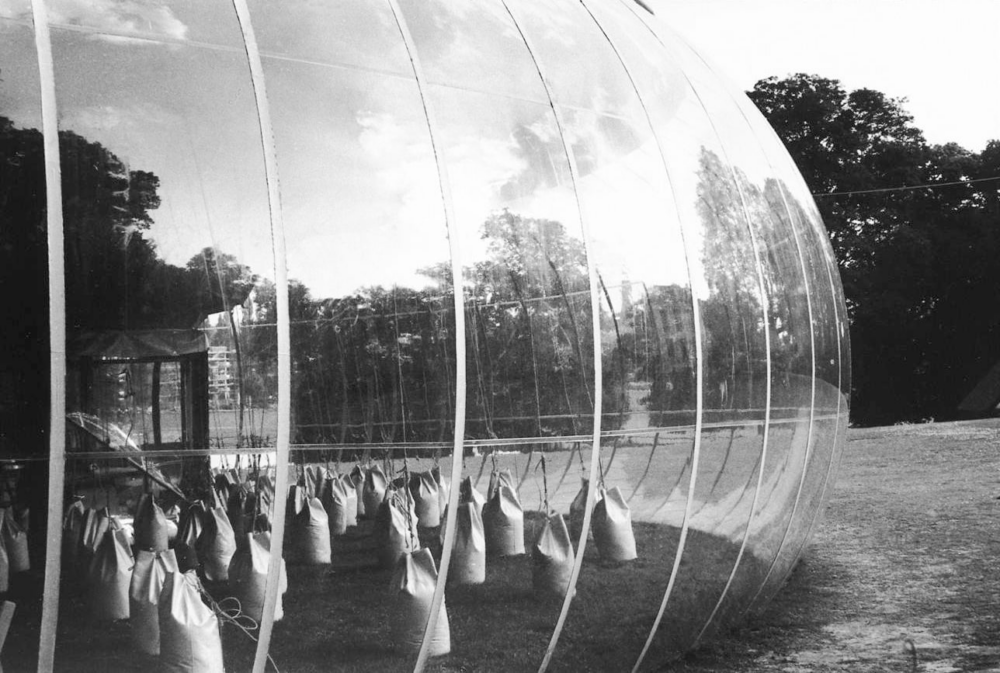
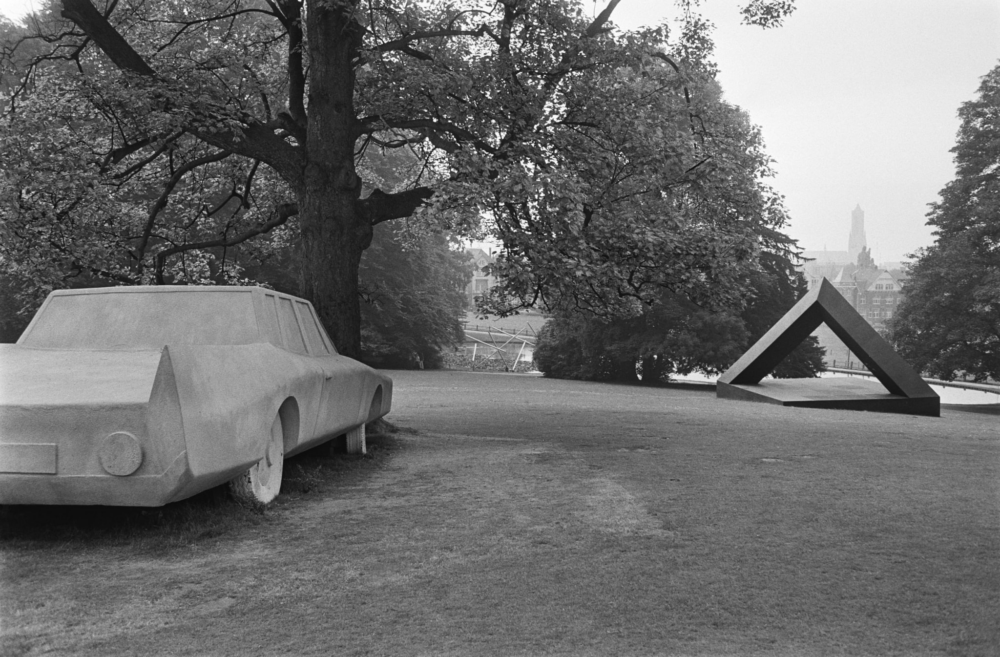
Sonsbeek ’71, under the evocative title Sonsbeek Buiten de Perken (Sonsbeek Out of Bounds), marked a radical break with previous editions. For the first time, the exhibition had a curator, museum director Wim Beeren, and worked with a clear theme: spatial relationships. Since then, Sonsbeek has become the platform where (inter)national curators present their distinct visions. Thanks to Beeren’s foresight, Sonsbeek gained a leading position in the international contemporary art discourse.
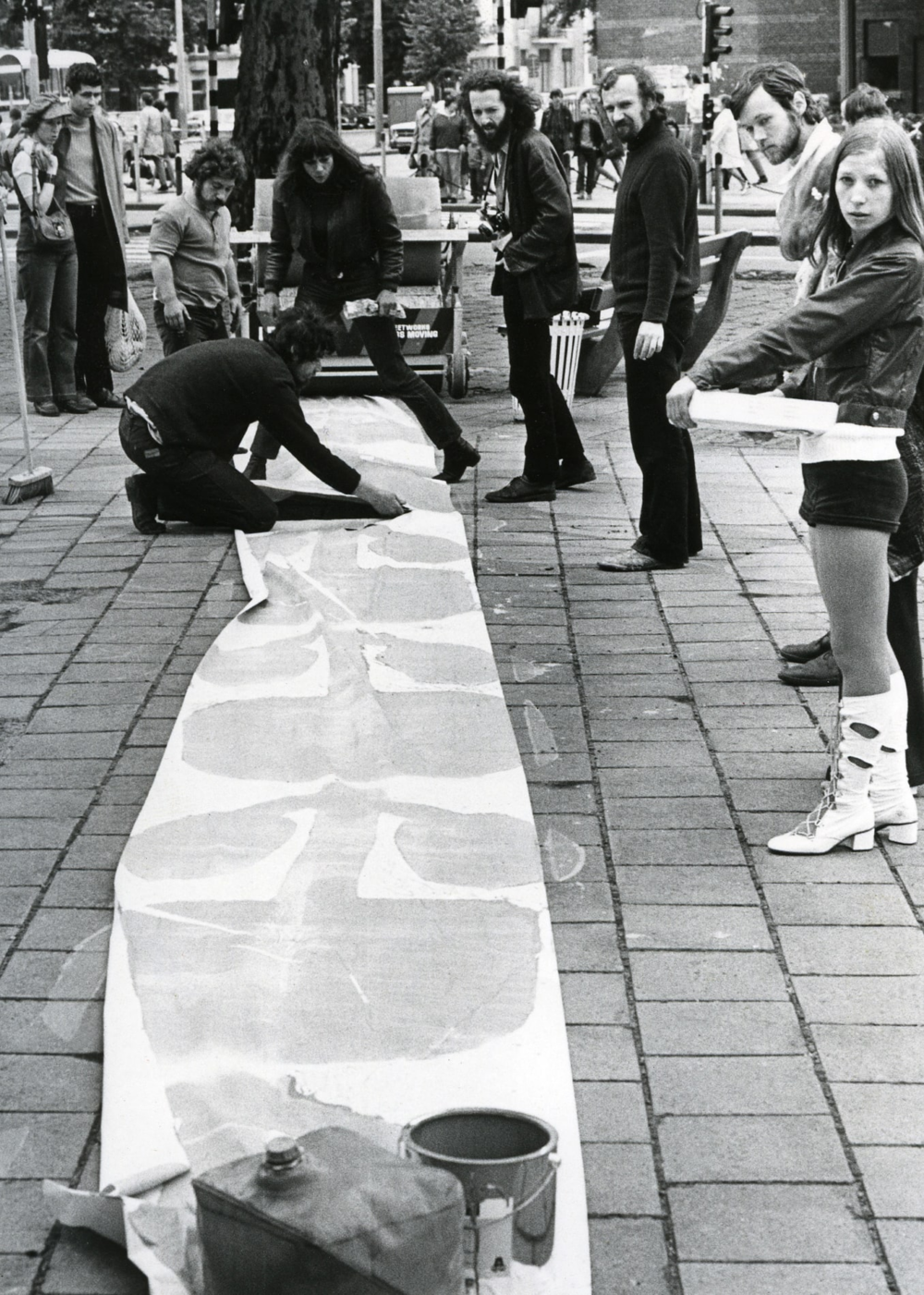
For the first time, innovative movements were brought together on a large scale: Conceptual Art, Minimal Art, Land Art, and Performance Art. Artists from around the world were invited to create new work after visiting Park Sonsbeek. Some, such as land artist Robert Smithson, criticized the artificial character of the park. In response, the working committee allowed artists to create outside the park as well. This led to art projects spread throughout the Netherlands, from small villages to major cities, resulting in a wide array of temporary works and interventions.
An important goal of Sonsbeek ’71 was to raise visitors’ awareness of the influence of new communication technologies, such as the telephone and telex, on our experience of space and time. Communication centers were set up in six cities, including Arnhem and Rotterdam, where visitors could experiment with these devices. In Park Sonsbeek, a pavilion was created for films and discussions, allowing direct interaction between art and the public.
Thanks to the “out of bounds” concept, Sonsbeek gained an adventurous and dynamic character, but the radical approach also drew criticism. Some visitors and critics found the art difficult to understand, and the widespread distribution of works across the country made it challenging to see everything. As a result, visitor numbers were lower than expected, ranging between 17,000 and 35,000.
Nevertheless, Sonsbeek ’71 is today regarded as one of the most innovative and influential exhibitions of the 20th century—a milestone that expanded the boundaries of art, space, and audience, and continues to serve as a lasting inspiration for contemporary art.
Artists
- Vito Acconci
- Bas Jan Ader
- Carl Andre
- Ben d’Armagnac
- Richard Artschwager
- Bruce Baillie
- Douwe Jan Bakker
- Joseph Beuys
- Ronald Bladen
- Marinus Boezem
- stanley brouwn
- Daniel Buren
- Javacheff Christo
- Tony Conrad
- Hanne Darboven
- Ad Dekkers
- Ger Dekkers
- Jan Dibbets
- Ger van Elk
- Pieter Engels
- Groep Enschede
- E.R.G.
- Hans Eykelboom
- Barry Flanagan
- Fluxus
- Hollis Frampton
- Ernie Gehr
- Dan Graham
- Robert Grosvenor
- Mike Heizer
- Douglas Huebler
- I.C.W.
- Ken Jacobs
- joepat
- Donald Judd
- On Kawara
- W. Knoebel
- Hans Koetsier
- Alex van der Kraan
- Peter Kubelka
- George Landow
- Standish Dyer Lawder
- Sol Lewitt
- Richard Long
- Walter de Maria
- Mass Moving
- Yutaka Matsuzawa
- Mario Merz
- Robert Morris
- Bruce Nauman
- Noord-Brabant Groep
- Claes Oldenburg
- Dennis Oppenheim
- Nam June Paik
- Panamarenko
- Egbert Philips
- Emilio Prini
- Klaus Rinke
- Peter Roehr
- Ulrich Rückriem
- Edward Ruscha
- Fred Sandback
- Jean-Michel Sanejouand
- Wim T. Schippers
- Paul Sharits
- Eric Siegel
- Tony Smith
- Robert Smithson
- Richard Serra
- Kenneth Snelson
- Michael Snow
- Koert Stuyf and Ellen Edinoff
- Shinkichi Tajiri
- Sajiki and Yokoyama Tenjo
- Carel Visser
- André Volten
- Hans de Vries
- Lex Wechgelaar
- Lawrence Weiner
- Joyce Wieland
Locations
— Almelo (Ben D’Armagnac)
— Amsterdam (Ger Dekkers, Hans Koetsier)
— Antwerpen (Panamarenko)
— Arnhem · Park Sonsbeek (E.R.G., Carl Andre, Ronald Bladen, Ad Dekkers, Robert Grosvenor, Donald Judd, W. Knoebel, Sol LeWitt, Claes Oldenburg, Ulrich Rückriem, Fred Sandback, Wim T. Schippers, Tony Smith, Kenneth Snelson, Carel Visser, André Volten, stanley brouwn, joepat, Nam June Paik, Eric Siegel, Shikichi Tajiri).
— Gemeentemuseum Arnhem en Kröller Müller Museum (films) · (Jan Dibbets, Ger van Elk, Vito Acconci, Bas Jan Ader, Bruce Baillie, Boezem, stanley brouwn, Javacheff Christo, Tony Conrad, Walter de Marie, Barry Flanagan, Fluxus, Hollis Frampton, Ernie Gehr, Dan Graham, Mike Heizer, Ken Jacobs, Peter Kubelka, Land Art, George Landow, Standish Dyer Lawder, Wim van der Linden, Richard Long, Robbert Morris, Bruce Nauman, Robert Nelson, Dennis Oppenheim, Peter Roehr, Wim T. Schippers, Richard Serra, Paul Sharits, Robert Smithson, Michael Snow, Joyce Wieland).
— Dordrecht (Jean Michel Sanejouand)
— Drienerloo (campus)
— Emmen (Robert Smithson)
— Enschede (information center, Edward Ruscha)
— Groningen (information center)
— Haarlem (Douwe Jan Bakker)
— Leiden (Boezem)
— Maastricht (Lex Wechelaar)
— Pieterburen/Groningerwad (Richard Long)
— Rotterdam (information center)
— Santpoort/Velsen (Robbert Morris)
— Stadskanaal (Edward Ruscha)
— Ter Apel (Edward Ruscha)
— Utrecht (Richard Artschwager)
— Veendam (Edward Ruscha)
— Vlake (Joseph Beuys)
— Voerendaal (Mike Heizer)
— Wijk bij Duurstede (Axel van der Kraan)
Facts and figures
Estimated 17,000-35,000 visitors · exhibition locations throughout the Netherlands in 10 provinces · only permanent land art work of Robert Smithson in Europe was commissioned by Sonsbeek ’71 · sharp criticism from the Beroepsvereniging Beeldende Kunstenaars (Visual Artists’ Association), among others.
Publication
— Catalog · Sonsbeek ’71: Sonsbeek buiten de perken (two parts), 1971 · Design: Jolijn van de Wouw (Total Design, Amsterdam) · Publisher: De IJssel, Deventer